Research Peptide Vials: What to Know Before You Compare
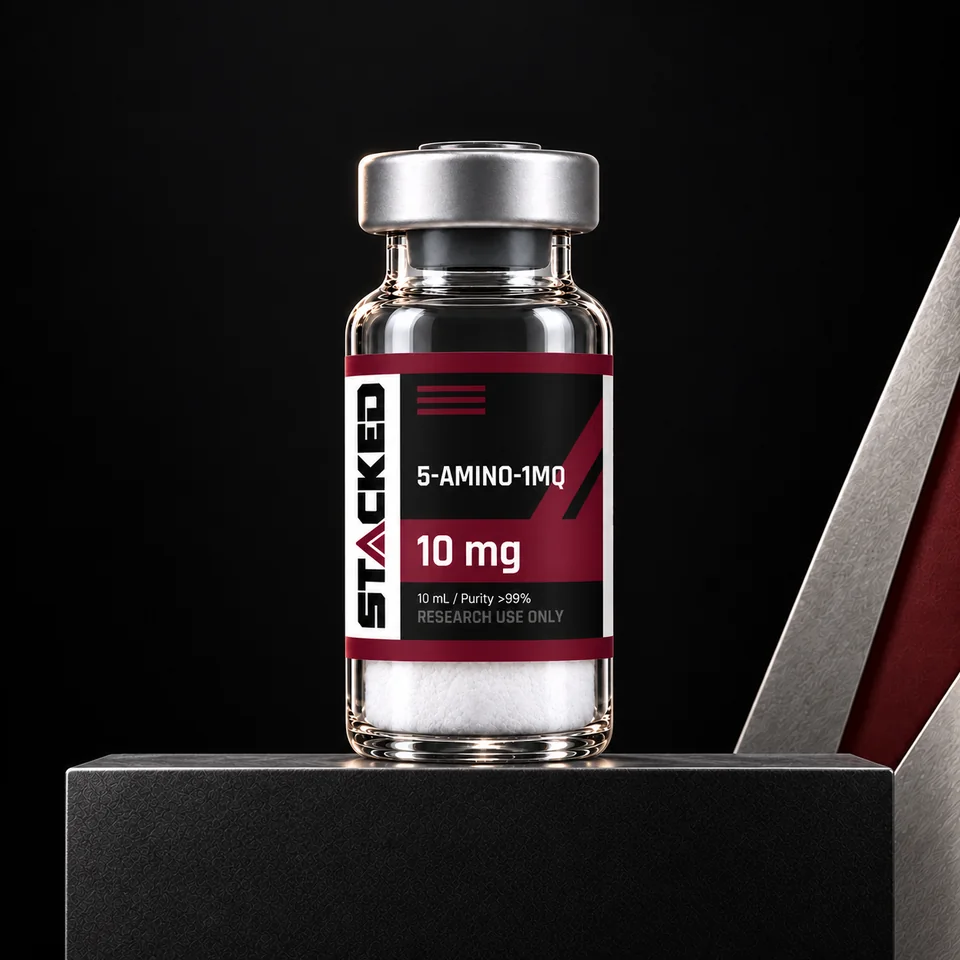
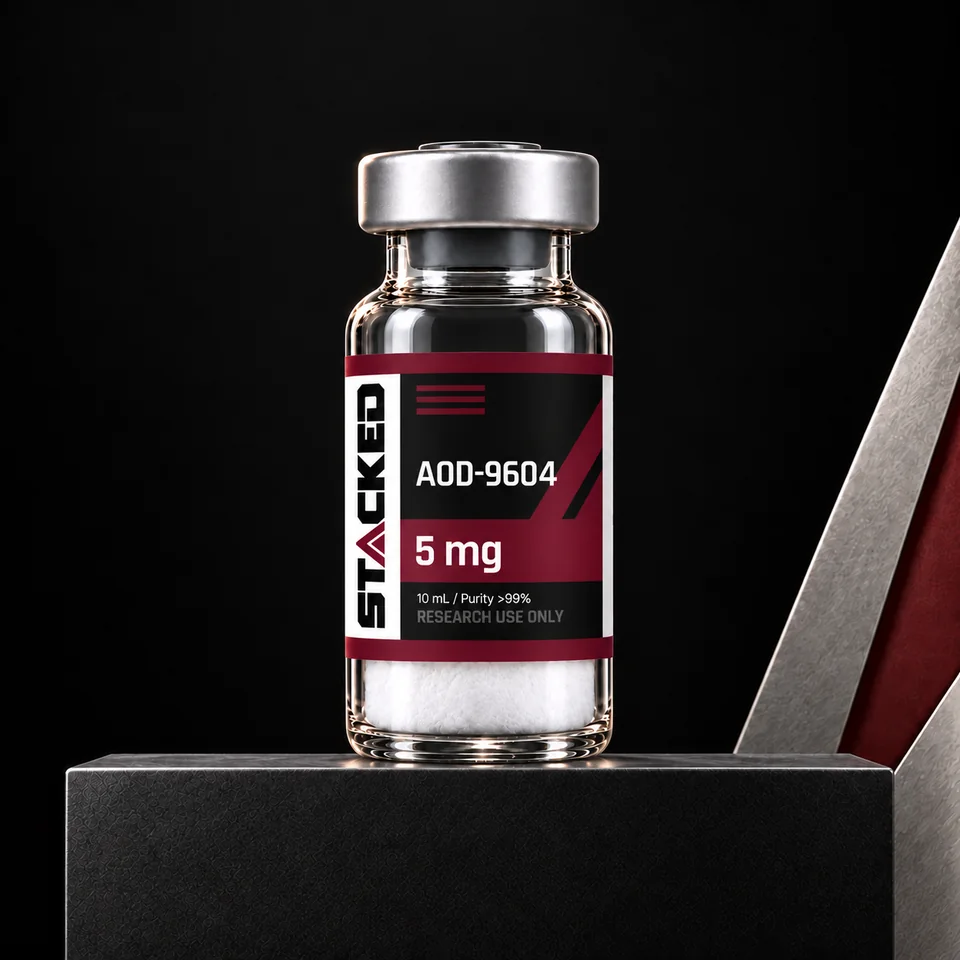
Every vial in this category holds a single compound or a defined blend as a lyophilized (freeze-dried) powder. The label states the peptide mass in the vial, such as 5 mg or 10 mg, rather than a concentration, because concentration depends on the volume of diluent a lab adds later.
How peptide vials are labeled
Each listing shows the compound name, the labeled mass per vial and the strengths available. Blends such as KLOW and GLOW list the mass of every component. Compare like with like: a 10 mg vial and a bottle of 10 mg capsules describe different things.
Diluent and storage
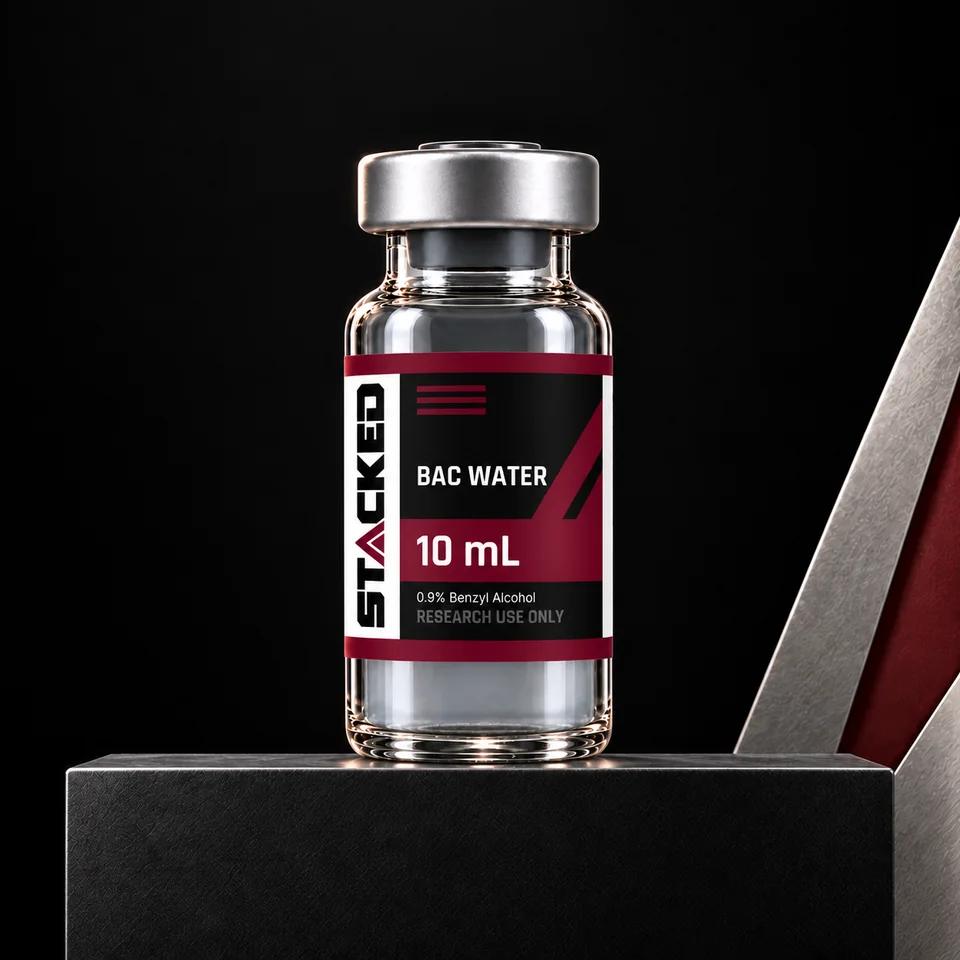
Lyophilized peptides are reconstituted with a sterile diluent such as
bacteriostatic water before laboratory use. Each product page lists its own storage and handling guidance.
Lot documentation
Every vial carries a lot number. Look that lot up in the
lab report library and review the compound, strength and lot together before relying on a certificate.
Peptide vial FAQs
What is a lyophilized peptide vial?
A sealed vial holding a peptide that has been freeze-dried into a stable powder. It is reconstituted with a diluent before laboratory use.
Why is the label in mg rather than mg/mL?
The vial contains a fixed mass of dry peptide. Concentration depends on how much diluent is added, so the label states the mass per vial.
Do you sell bacteriostatic water?
Yes. 10 mL bacteriostatic water is listed in this category alongside the peptide vials.
Are these vials for human use?
No. All products are sold strictly for laboratory research use and are not for human or veterinary use.